Signs You May Need Bone Grafting in Largo
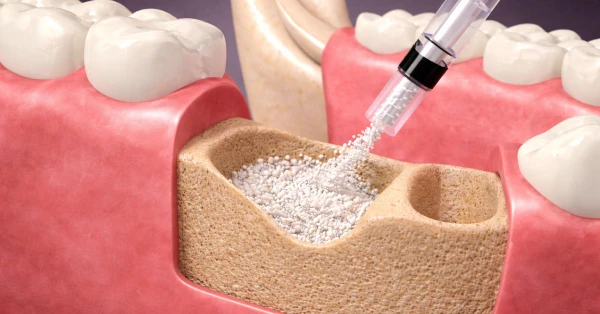
Maintaining a healthy jawbone is essential for strong teeth and long-term oral health. However, certain dental conditions can lead to bone loss, making it difficult to support natural teeth or future restorations. Bone grafting is a common procedure used to rebuild and strengthen the jawbone, especially before advanced treatments. Understanding the warning signs early can help you seek timely care and prevent further complications.
In a previous article, we discussed the key advantages of bone grafting and how it supports stronger outcomes for patients preparing for implant treatment. Building on that information, this blog focuses on helping you recognize the common signs that may indicate the need for this procedure and when it might be recommended as part of your dental care plan.
How Do You Know If You Need Bone Grafting?
Understanding whether you require bone grafting in Largo often starts with recognizing changes in your oral health. Common indicators include missing teeth, gum disease, loose teeth, or noticeable changes in your jaw structure. These signs may suggest that the jawbone is weakening or losing density, which can affect both function and appearance. A professional dental evaluation, including imaging and examination, can confirm the condition of your jawbone and determine if bone grafting is needed to restore strength and support for future treatments.
Bone loss in the jaw can develop gradually, and many patients may not notice the problem until it begins to affect their daily comfort or treatment options. Identifying the cause early can help preserve oral health and make restorative procedures more successful in the long run.
-
Tooth Loss and Missing Teeth
One of the most common reasons for bone grafting is tooth loss. When a tooth is missing for an extended period, the jawbone in that area begins to shrink due to lack of stimulation. This process, known as bone resorption, weakens the structure of the jaw. If you have missing teeth and are planning a restoration, bone grafting may be necessary to rebuild the lost bone and create a stable foundation.
-
Gum Disease and Bone Deterioration
Advanced gum disease, also known as periodontitis, can damage the supporting structures of the teeth, including the jawbone. Over time, this can lead to bone loss and loose teeth. If your dentist identifies bone deterioration caused by gum disease, bone grafting may be recommended to restore the affected area and protect your oral health.
-
Loose or Shifting Teeth
Teeth that feel loose or begin to shift out of position may be a sign of underlying bone loss. The jawbone plays a crucial role in keeping teeth stable, and when it weakens, teeth can become unstable. This is often an early warning sign that should not be ignored, as it may indicate the need for bone grafting to prevent further damage.
-
Changes in Facial Shape or Jaw Structure
Bone loss in the jaw can gradually affect your facial appearance. You may notice a sunken look around the cheeks or changes in the shape of your lower face. These changes can occur when the jawbone no longer provides proper support for surrounding structures. In some cases, patients exploring dental implants in Largo discover they need bone grafting first because of this loss of bone volume.
-
Difficulty with Dentures or Other Restorations
If you wear dentures and notice they no longer fit properly, it may be due to changes in your jawbone. Bone loss can alter the shape of your mouth, making restorations feel loose or uncomfortable. Bone grafting may help rebuild the jaw and improve support for future dental treatment.
-
Jaw Weakness Before Oral Surgery
Some patients only learn about bone loss during an exam before a planned dental procedure. If imaging shows that the jawbone is too thin or weak, bone grafting may be recommended to strengthen the area. For patients who feel nervous about this kind of treatment, practices that provide sedation dentistry in Largo can help make the procedure feel more comfortable and manageable.
Conclusion
Bone grafting plays a vital role in restoring jawbone health and supporting long-term dental function. Whether you are dealing with tooth loss, gum disease, or planning restorative treatment, recognizing the early signs can help you take the right steps toward a healthier smile. If you suspect you may need bone grafting, schedule a consultation with a trusted dental professional today. For expert guidance and personalized care, call (301) 341 0041 to learn more about your treatment options and begin your journey to improved oral health.





5 Stars
based on 15 reviews
5 Stars
based on 11 ratings